There is a moment many of my patients remember. It’s not looking in the mirror after treatment; it’s the quiet hour about two weeks later when a friend says, “You look rested,” and can’t pinpoint why. That is the sweet spot for thoughtful botox rejuvenation. It is not about freezing life out of a face. It is about softening what time has etched and returning ease to the features without broadcasting that anything was done.
What botox really is, and how it works
Botox is a purified protein derived from botulinum toxin type A, approved for both medical and cosmetic use. In aesthetic practice, botox injections temporarily relax targeted muscles by blocking the nerve signal that triggers contraction. Think of it as turning down the volume on hyperactive Holmdel, NJ botox muscles that fold skin into lines. If you’re wondering what is botox at a functional level, that’s the mechanism: neuromodulation that reduces dynamic wrinkles and, with repeated use, slows their deepening.
When I explain how does botox work to first time botox patients, I point to a frown. The 11 lines between eyebrows form when the corrugator and procerus muscles pull inward. A few carefully placed units quiet that pull. The skin stops being creased dozens of times a day, and the lines soften. Over months, the skin texture improves as it gets a break from constant folding.
Where it helps most
Face reading isn’t just art, it’s anatomy. Certain areas respond predictably, and tailoring matters.
Forehead lines sit in the frontalis muscle. Overdo it and the brows drop. Under treat and the lines persist. The right balance makes the forehead smooth yet mobile. For frown lines between eyebrows, small, deep injections at the corrugator heads and procerus lift the central brow and mute scowling. Crow’s feet are the crinkly fans at the outer corners of the eyes. Softening them keeps smile warmth while easing the radiating lines. Bunny lines appear when you scrunch your nose. A micro dose along the nose sidewalls prevents that bunching. A botox eyebrow lift is possible by selectively relaxing depressor muscles around the brow tail while preserving frontalis support, opening the eye subtly.
More targeted uses have grown as our technique evolved. A botox lip flip involves placing a tiny amount along the upper lip border to relax the orbicularis oris, letting the pink show more with a gentle curl. It doesn’t add volume like fillers, but for patients who want a hint of lift without fullness, it is elegant. Botox under eyes can soften crepiness from overactive muscle, though doses must be conservative to avoid smile weakness. Botox around eyes, placed skillfully, can also help reduce a habitual squint that etches lines early.
Moving beyond lines, botox for masseter reduction slims the lower face by relaxing the jaw muscle that bulks with clenching and grinding. Many patients notice not only facial slimming but also relief from jaw tension. Botox for jawline contour is a common request, but achieving a clean angle relies more on masseter reduction and fat control rather than direct jawline injections. Botox for chin dimples smooths an orange peel chin by relaxing the mentalis. Chin dosing is delicate, since the muscle also supports lower lip movement.
The neck tells age quickly. Botox for neck bands targets the platysma strips that pop with certain expressions. Softening these bands can refine the neck contour. Some ask about botox for double chin. Here, expectations need clarifying. Botox does not reduce fat. It can help neck banding and sometimes improve skin drape around the jawline, but true double chin reduction requires fat addressing through other methods. Using botox for smile lines, by contrast, is rarely a first choice. Nasolabial folds form from volume shifts and skin laxity, not muscle overactivity. Fillers or biostimulators do more there. Botox for crow’s feet remains a top performer because that area is muscle driven.
Beyond aesthetics, medical botox has a very real place. Patients with migraines may see fewer and less severe episodes with properly mapped medical dosing across the scalp, temples, and neck. Botox for migraines is protocol based, not cosmetic artistry, and it can be life changing. Botox for hyperhidrosis, or excessive sweating, reduces sweat production in underarms, palms, soles, and even the scalp. Relief typically lasts several months and gives patients back confidence in social and professional settings.
Baby botox, micro botox, and preventative strategies
Not every face needs the same playbook. Baby botox uses lower units per area to soften lines while keeping plenty of movement. Micro botox, sometimes called mesobotox, places diluted product superficially to refine pore appearance and reduce sebaceous shine on the T zone. It does not replace standard intramuscular dosing for deep lines, but it can improve the canvas for makeup and photographs.
Preventative botox makes sense for certain people in their late twenties or early thirties who show strong animation lines early. Halting repetitive folding helps prevent permanent creases. The best age for botox depends on your genetics, sun history, expression habits, and how much you want to intervene. I have patients at 28 whose 11 lines are etched even at rest from constant squinting, and others at 45 whose skin barely shows a crease thanks to good collagen and diligent sunscreen. There is no universal timeline.
What to expect from start to finish
Your botox consultation should feel like a conversation, not a sales pitch. An experienced botox injector will watch your expressions, ask what specifically bothers you, and discuss trade offs. Are you comfortable with a little brow movement to avoid any heaviness, or do you prefer a glassy forehead? Do you want subtle botox results or maximum smoothing? If you grind your teeth, have you considered botox for masseter reduction as both a functional and aesthetic choice? Bring your questions. Ask about brand, who will inject, their experience with male and female anatomy, and how they handle touch ups.
At the botox appointment, we cleanse the skin, sometimes apply a dab of topical anesthetic or ice, and mark vectors as you animate. The botox procedure steps are quick. Fine needles deliver tiny amounts to precise depths. Most patients call it a series of pinches. For forehead and frown lines, you’ll feel two to six quick points. Crow’s feet may be three to five per side. A lip flip is usually two to four tiny blebs. Masseter treatment ranges from two to three injections per side, deeper and more substantial.
Expect little dots of redness that fade over 15 to 30 minutes. Bruising is uncommon with small facial doses but possible, especially around the eyes. The botox recovery time is minimal. You can go back to work or dinner. I ask patients to avoid strenuous workouts, massages that press the face, or lying flat for a few hours afterward. The goal is to let the product settle where it was placed.
The timeline of results
Patience helps. Most people begin to see botox results timeline changes at day three to five. The peak effect typically lands around day 10 to 14. If you have a big event, schedule your botox treatment three to four weeks ahead so there is time for a botox touch up if needed. First time botox users sometimes worry on day two when nothing has changed yet. That is normal. The protein has to bind at the nerve end and diminish signaling. It is a biochemical process, not instant magic.
How long does botox last? The average is three to four months for standard areas like the glabella and crow’s feet. Forehead often wears off a bit faster because doses are lighter to preserve brow lift. Masseter reduction may last four to six months, sometimes longer with repeat sessions as the muscle deconditions. Botox for hyperhidrosis can hold six months or more, and some patients stretch to nine months.
How often to get botox is a balance. I advise most cosmetic patients to plan three, sometimes four sessions a year. That avoids the rollercoaster of full movement returning and then re-treating deep creases. Regular botox maintenance tends to require fewer units over time in crease-prone areas, as the muscle weakens modestly and the skin rests. If you prefer baby botox and maximum natural movement, you may accept a quicker fade and come in every two to three months.
Units, dosing, and the myth of a one size fits all chart
“How much botox do I need?” is one of the most common questions. Online botox units charts can orient you, but real dosing is individualized. Factors include muscle strength, face size, asymmetries, and your goals. A petite woman with a delicate forehead might need 8 to 12 units to smooth while keeping lift, whereas a tall man with a strong frontalis and low brow might need 16 to 24 units with careful mapping to avoid heaviness. Crow’s feet range from 6 to 12 units per side. Frown lines commonly use 12 to 24 units. A lip flip often uses 2 to 6 total. Masseter reduction is a different scale entirely, often 20 to 40 units per side, sometimes more for very strong clenchers.
It is better to start conservatively and recheck at two weeks. Subtle corrections can refine brow position or even out a dominant side. I keep notes on vector points and units for each patient so we can reproduce what you loved and tweak what you didn’t.
Safety, side effects, and where things go wrong
Botox is one of the most studied medications in aesthetic medicine. When affordable botox Holmdel performed by a qualified botox provider, complications are uncommon and usually temporary. Expected reactions include mild tenderness, swelling, tiny bruises, and a transient headache, especially with forehead or scalp points. Rarely, a brow can feel too heavy, or the inner brow may arch in a way you don’t like. These issues are often correctable with small adjustments. True eyelid droop happens when toxin diffuses to the levator muscle. It is rare, generally resolves over weeks, and can be mitigated with careful placement and aftercare.
Common sense matters. Seek a botox certified injector or an experienced botox injector in a clinic that prioritizes safe botox procedures. Ask to see botox before and after photos of their own patients, not stock images. If you see constant “frozen” results in their gallery and you want a natural botox look, that clinic style might not suit you. Men’s upper faces differ from women’s in muscle pattern and desired brow set. Choose a botox specialist who understands botox for men as well as botox for women.
If you take blood thinners, discuss bruising risk. If you’re pregnant or breastfeeding, postpone treatment. If you have a neuromuscular disorder, talk to your doctor. These aren’t scare tactics, they are standard considerations.
Botox vs fillers, and the role of Dysport and others
Patients often say, “Should I get botox or fillers?” It is not either-or. Botox smooths dynamic lines caused by muscle movement. Fillers replace volume and contour. The difference between botox and fillers is category, not quality. A deep groove from bone and fat shifts won’t vanish with muscle relaxation alone. Conversely, filling a forehead line created by expression without controlling movement is like patching a crease while still folding the fabric 300 times a day. Strategic pairing works best.
Some prefer botox or Dysport. Both are botulinum toxin type A neuromodulators with similar effects. Units are not interchangeable, and some patients report a faster onset with Dysport or a longer tail with their favored brand. These are personal pattern observations rather than universal truths. A seasoned injector will discuss brand options and your past experiences.
Cost, pricing models, and value
Let’s talk numbers. Botox cost varies by geography, injector experience, and clinic overhead. Practices typically charge per unit or per area. Per unit pricing may range from the low teens into the twenties, sometimes higher in urban centers. Per area pricing bundles average dosing for common zones like the glabella or forehead. There is no single botox price that fits all faces because unit needs differ widely.
A lip flip may be under a hundred dollars in some markets. Treating frown lines and crow’s feet together could be several hundred. Masseter reduction runs higher due to unit volume. Medical indications like botox for hyperhidrosis and botox for migraines may be billed differently and, depending on coverage, sometimes involve insurance pathways.
Many clinics offer botox membership programs, loyalty points, or botox packages for those who return regularly. Read the fine print. A botox discount can save money, but don’t let a bargain override your priority to choose a qualified botox provider. A botox financing option may exist in some centers for larger treatment plans, though most cosmetic sessions are within the range of standard out of pocket expenses.
If you’re searching “botox near me,” evaluate reputation over proximity alone. Look for credible botox reviews that describe outcomes similar to what you want. “I still look like me, just fresher” is the tone you want in testimonials if you value subtlety. Straight lines about customer service matter, but injector judgment is the core of value.
Aftercare, maintenance, and when to touch up
The first day, avoid heavy exercise and saunas. Skip facial massages or tight hat bands for a few hours. Gentle cleansing is fine. Makeup after an hour is acceptable as long as you dab rather than rub. If a bruise appears, a dab of arnica or a peach-toned concealer handles most. Headaches usually pass with hydration and over the counter pain relievers unless contraindicated.
Plan a follow up at two weeks for your first session. It’s the right time for a small botox touch up if you need one. The touch up is rarely about more product everywhere. It tends to be small tweaks to restore balance: a stray strong lateral frontalis fiber, a dominant corrugator head, or crow’s feet that still bunch more on the smile side you use more in photos.
For ongoing botox maintenance, book before you are back to full movement if you like consistency. Many patients set calendar reminders at 12 to 14 weeks. If you prefer to ride the effect longer and see what returns first, that is reasonable too. The point is to make the plan fit your life, not the other way around.
Getting a natural result takes intention
Technique matters, but so does listening. A natural botox look isn’t just about lower units. It’s about knowing which fibers to prioritize and which to spare. On foreheads with low brows, I preserve central frontalis activity and treat laterals more carefully to avoid a flat shelf. In athletic patients who raise brows constantly, I often split dosing into two sessions so we nudge movement down gradually. For expressive artists and speakers, I preserve smile power and focus on resting creases rather than erasing all crinkle at the eye corner.
Botox for eyebrow lift should never create a spocky arch. That look comes from over treating the inner forehead and under treating the tail depressors. A balanced plan includes slight support at the lateral frontalis and relaxation of the orbicularis oculi’s brow depressor effect.
Special cases worth considering
Botox for bunny lines is often overlooked. Those lines can signal tension and read as “pinched” in photos. Two tiny injections soften them without affecting the genuine lift of your smile. Botox between eyebrows, targeting the 11 lines, can defuse a stressed aura even at rest. Colleagues often tell me that addressing that one area changes how people respond to them in meetings.
Botox for a gummy smile can be elegant for patients who show a large amount of gum with a high lip lift. A micro dose to the levator muscles allows the upper lip to rest slightly lower during a full smile. It must be subtle, or the smile looks restrained. Botox for facial slimming via masseter reduction is also a confidence boost for those who feel square faced in photos despite being lean elsewhere.
On the flip side, I do not recommend botox for double chin reduction as a standalone. It does not address submental fat or skin laxity. If the double chin is small and related to a tight platysma pull, softening the band can help a little. Most need fat reduction or tightening. Similarly, botox for smile lines at the fold is not first line. Target the cause, not just the lines you see.
Myths, facts, and what experience teaches
A few botox myths recur. “If I start, I have to keep doing it forever.” No. If you stop, movement simply returns. You don’t age faster. In fact, while you used it, you creased less, so you probably gained ground. “Botox will make me look fake.” Overdone botox can look stiff. Skilled dosing and placement preserve expression. “I’ll build resistance.” True resistance is rare but not impossible. Using appropriate intervals and avoiding unnecessary frequency lowers that risk. “All injectors are the same.” They are not. Botox brand quality is consistent, but injector anatomy training, aesthetic judgment, and aftercare protocols vary widely.
Botox facts are simple. It works on movement-driven lines. It has a well documented safety profile. It requires maintenance. The art lives in how we apply those facts to your face.
A brief, practical buyer’s guide
- Choose an experienced botox injector whose before and afters match your taste, and confirm they regularly treat patients like you, including botox for men or women as appropriate. Ask how they handle touch ups and follow up. Good practices schedule a two week check, especially for first timers. Clarify botox price by units versus area, and get an estimate for your face, not a generic number. Discuss goals with language that matters to you: natural botox look, subtle botox results, or maximum smoothing. Alignment prevents disappointment. Plan timing around events. Aim for treatment at least three weeks before photos or big meetings.
Why storytelling matters in aesthetics
A patient of mine, a trial attorney, came in for botox for 11 lines and forehead lines. She did not want to look “done.” Courtroom presence demands credibility. We mapped a plan at lower units with a two week review. Her first remark at follow up was not about the lines. It was about how jurors seemed more at ease with her when she asked tough questions. Her face no longer broadcast tension between brows, and that shifted the room.
Another patient, a longtime runner in his fifties, tried botox for masseter reduction after years of clenching. He came for facial slimming but reported back that his jaw felt quieter at the end of the day, and his dentist saw less wear. He maintained every five to six months and kept the units steady, accepting a slower contour change for predictable function.
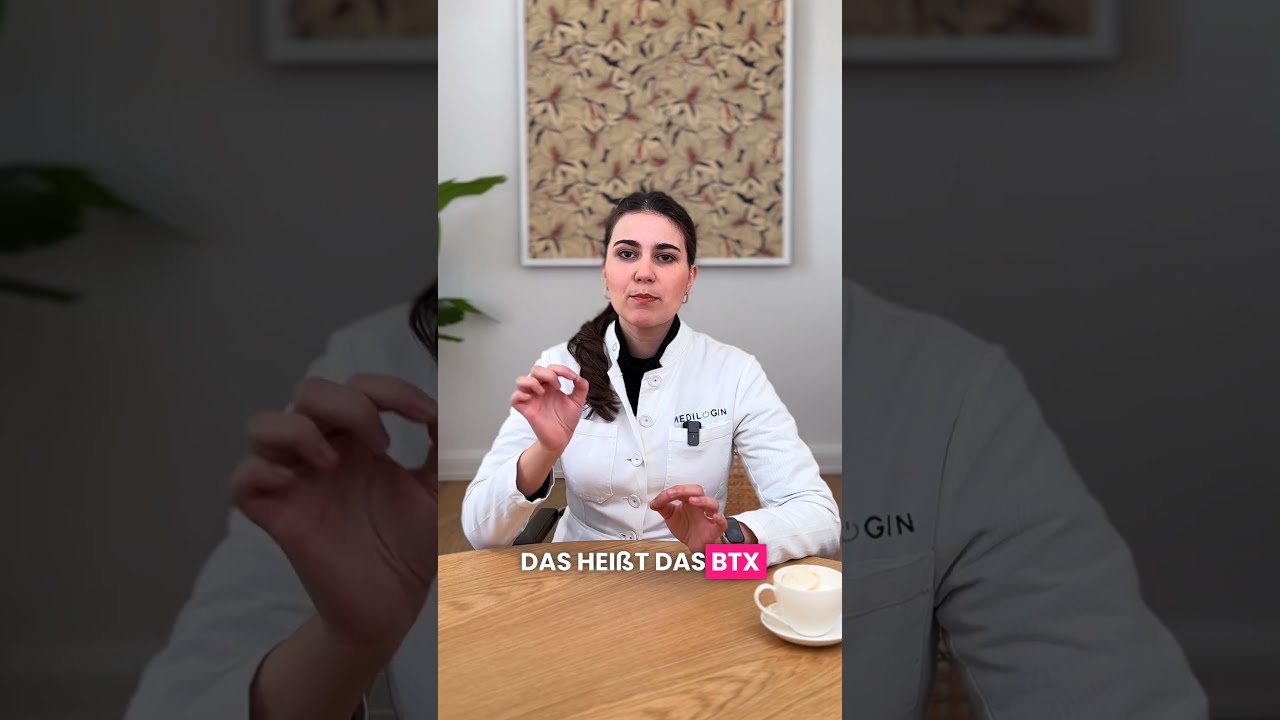
These stories underscore a point: botox rejuvenation is not a template. It’s an adjustment calibrated to your work, your habits, and your preferences.
Pairing botox with other tools
If your goal is a full refresh, think harmonies. Neuromodulation smooths motion lines. Filler or biostimulators address hollow temples, a deep tear trough, or a tired midface. Energy devices help texture and laxity. Skincare builds the barrier and supports collagen. Patients who integrate sunscreen, retinoids, and periodic botox for forehead lines and frown lines notice they need fewer corrective measures over time.
Botox facial treatment fits neatly into that plan because it has minimal downtime and reliable outcomes. The face you see in the mirror each morning looks better rested even before makeup or grooming. And if you prefer minimalism, a focused plan for glabella and crow’s feet alone can deliver a major lift in how you look and feel.
Final notes on fit and follow through
If your goal is a botox transformation, define what that means. For some it’s dramatic smoothing; for others it’s simply looking like they slept a full week. Both are valid. Communicate your target. Bring past botox reviews you relate to, or a botox before and after from the clinic’s own portfolio that resonates.
Your provider should be transparent about botox side effects and realistic about outcomes. They should map your anatomy, dose thoughtfully, and welcome a conversation about what to expect from botox. Good care always includes honest trade offs. Want an aggressive forehead treatment? You may risk a heavier brow if your anatomy trends low. Prefer absolute movement preservation? You may accept a few lines that peek through.
Botox rejuvenation earns its place because it respects the face’s natural language. It doesn’t overwrite you. It edits the parts that time and habit have overemphasized. Done well, it lifts more than brows. It lifts how you carry yourself.
If you’re ready to explore, schedule a botox consultation with a provider whose aesthetic you trust. Ask direct botox consultation questions, clarify dosing philosophy, and agree on a plan for botox maintenance. Whether you opt for baby botox, a targeted botox eyebrow lift, or medical botox for migraines or excessive sweating, aim for results that align with your life. The clock may not stop, but with thoughtful care, it can tick a little gentler on your face.